Types of surveillance
Thermal | IP | Wireless | AHD | MOBILE
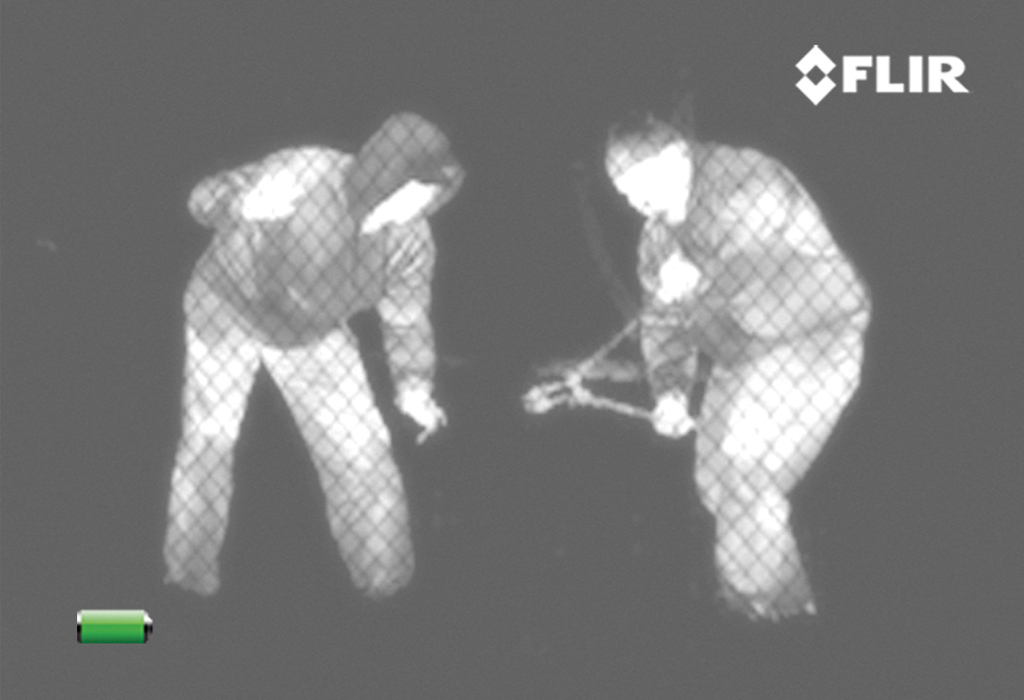
FLIR thermal cameras make pictures from heat, not visible light. Heat (also called infrared, or thermal energy) and light are both parts of the electromagnetic spectrum, but a camera that can detect visible light won't see thermal energy, and vice versa.

An lnternet Protocal camera, or lP camera. They are a type of digital video camera that receives control data and sends image data via the lnternet. They require no local recording device, only a local area network.
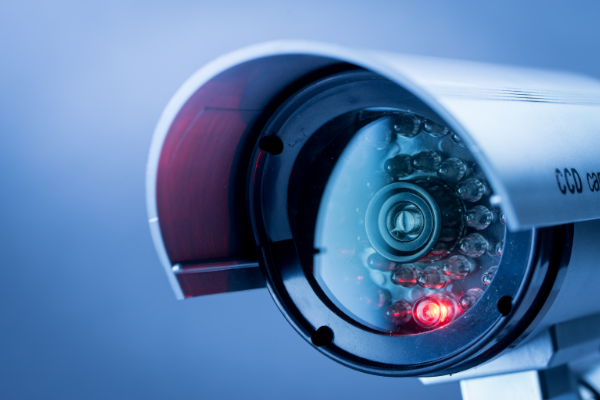
AHD CCTV is an analog high definition closed-circuit television video surveillance standard that uses coax cable to transmit HD video from security cameras to DVR's. AHD supports 720p & l080p HD video resolutions. These are various styles of AHD cameras.
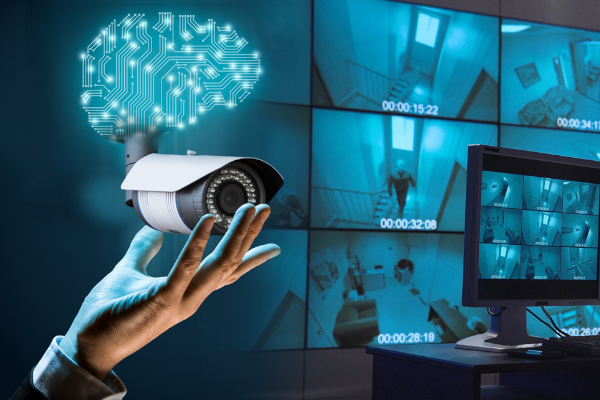
Wireless security cameras are closed-circuit television cameras that transmit a video & audio signal to a wireless receiver through a radio band. Many wireless security cameras require at least one cable or wire for power; "wireless" refers to the transmission of video/audio.
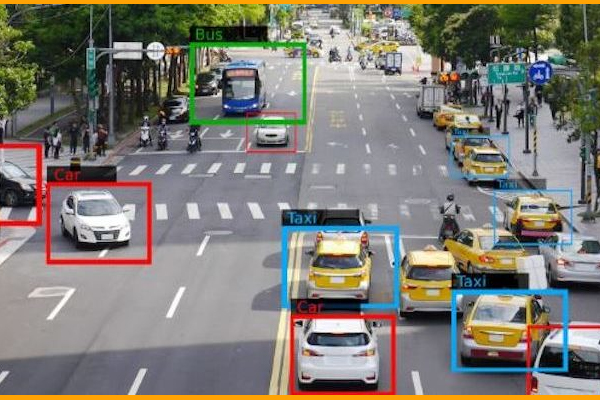
Mobile DVR solutions are RUGGED Digital Video Recorder systems that have been built SPECIFICALLY for TRANSIT / TRANSPORTATION based video surveillance. Mobile DVR is a great way for businesses to keep a watchful eye over their off-site assets & employees.
Security Cameras Do Save Money
Having a safe and secure surveillance system is essential to strengthen your security measures and have maximum protection against threats from the outside or even from among your employees.
It is useful in allowing you to protect and prevent the loss of your company’s important documents and properties that are proprietary and confidential.
protection
Surveillance offers/ affords the following protection:
- Theft in the workplace
- Property
- Staff Input/ Output/ Throughput
- Safety in the workplace
- Security in the workplace
- Employee theft
- Profits
Specifications to consider

Application

Operation requirements

Decision guidelines

Performance standards

Evidence requirements

Importance of surveillance
Get in contact with us today
IP & Hosted VoIP Telephony
VoIP
VoIP stands for "Voice over Internet Protocol" and it is quite simply a way of using the Internet to make and receive telephone calls. The primary reason VoIP is becoming so popular is cost and convenience.
Additionally, one high-speed Internet connection can serve for multiple VoIP telephone lines.
Features of VoIP
All the features that traditional phone companies usually charge for like voicemail, caller id, call waiting; three-way calling, simultaneous ring and the ability to choose your own area code are included in the price.
VoIP is portable. In other words, consumers can take their phone number anywhere in the world … even if it’s just for a holiday.
Cloud PBX & UCC
Centile has developed “ISTRA”, a Cloud PBX & UCC platform that provides fixed-line, mobile operators and integrators the tools they need to quickly develop, deploy, and monetize innovative, compelling new communication services over existing networks, and from any device.
Centile ISTRA multi-tenant and features rich solution, enables enterprises to take advantage of Cloud UC and FMC services.

PBX features on both
fixed and mobile

Unified messaging

Voicemail to email

Boss / secretary filtering

Call barring

Groups managenemnt

Audio and video conferencing with screen and file sharing

Instant messaging
Fixed & mobile convergence solution
To stay ahead of competition, fixed operators need to add mobility to their Centrex/PBX/UC offerings. Whereas mobile operators need to capitalize on the GSM network by adding enterprises PBX features on mobile phones.
As part of the Centile Any³ approach — Any service, over any network, on any device.
Centile Istra Mobile platform enables fixed and mobile operators to deliver enterprise-focused value-added services to enterprise mobile users over today’s networks.
Mobile users can make and receive free or inexpensive phone calls over IP using Wi-Fi or 3G/4G connections.
SIP trunking platform
Centile Smart PBX Trunking solution enables service providers to target enterprises with premises-based IP PBXs, offering them the latest innovative UC services
Last mile technology
Copper | Fibre optics | Wireless
LMT is any telecommunications technology that carries signals from the broad telecommunication backbone along the relatively short distance (hence, the "last mile") to and from the home or business.
The Internet plays a substantial role in business, probably to the extent that we take it for granted. Bandwidth - the speed at which you gain Internet access, is not something small business owners probably put much thought into. And that is a mindset worth changing.
If multiple users on your network are streaming multiple videos, uploading large files or doing other high-demand tasks concurrently, the needs multiply. If you only have limited bandwidth such as a 20 megabit per second speed, you can see how quickly a few heavy demands on your Internet access can eat up your access and slow everything and everyone down.
Fibre optics
Fibre optics refers to technology that transmits data through thin strands of a highly transparent material that usually is either glass or plastic.
Fibre can enhance performance reliability, as well as enable the offering of both phone and Internet service on the same fibre.
Wireless
While fibre optics seem to have the upper hand over copper, wireless broadband is gaining in popularity and usage.
Wireless broadband (4G), LTE (Long-Term Evolution) is a method of broadcasting an Internet connection over radio waves.
Premium Wireless
This is wireless internet that uses wireless satelite technology. This is offered in the form of P2P (Point-to-Point) wireless or P2MP (Point-to-Multi Point).
Copper
Since the introduction of the telephone over 100 years ago, the dominant way to “wire” the home or business involved the use of copper cabling. The copper phone wire is perfectly adequate for a voice signal, which is what it was intended for.